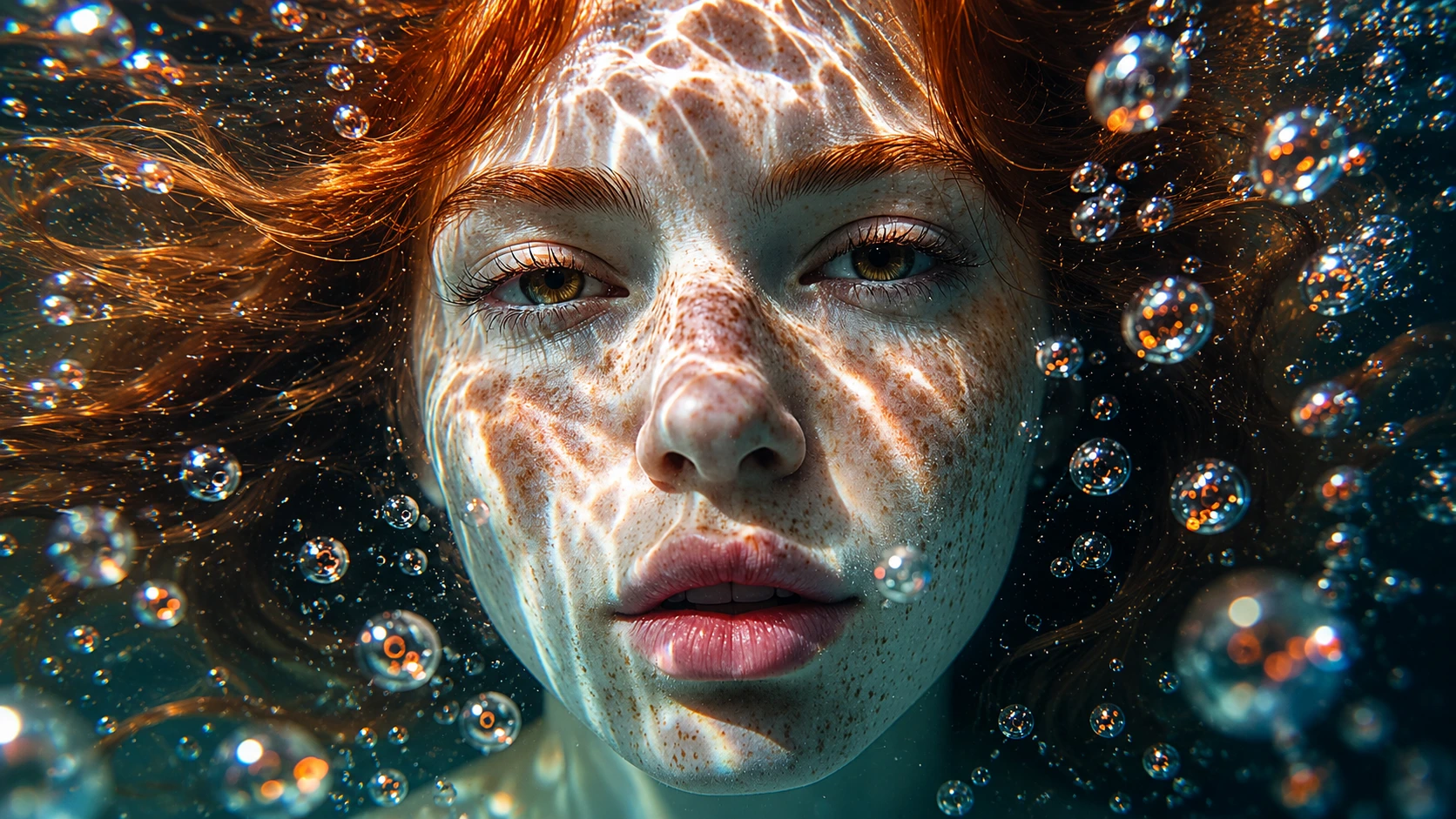
GPT Image 2 understands prompts with more nuance than most image generators. Describe a product packshot with specific lighting, a campaign visual with exact layout requirements, or a thumbnail concept with text placement — the model interprets the intent and renders accordingly. This makes it a strong choice for teams that need polished commercial visuals without the back-and-forth of prompt tweaking.
OpenVideoMaker puts GPT Image 2 alongside Seedream, Imagen, and other image models so you can compare outputs for the same prompt. Generate a product concept in GPT Image 2, then test the same prompt in Seedream to see which model handles the brief better. Carry the strongest result into a video workflow through Seedance or Veo. Each model rewards a slightly different brief, which makes comparison practical. A prompt that produces a clean product shot in GPT Image 2 might need adjusted lighting language in Seedream.
Getting started
Three questions decide whether GPT Image 2 fits your project: what input do you already have, what output needs to ship, and how much iteration can the project afford? This workflow is most useful when the task can be described with a clear subject, a clear visual goal, and a repeatable review checklist. It is less useful when the brief asks for many unrelated changes in one pass or when the team has not decided how the result will be used.
A good first pass should do one job. For example, it might test whether the model understands the composition, whether the product looks accurate, whether the lighting matches the brand style, or whether the image works at the target resolution. After that, the second pass can improve polish, format, pacing, or detail. This staged approach prevents prompt drift and makes the creative process easier to manage.
OpenVideoMaker helps because related work can stay connected. You can move from image planning to video generation, from prompt examples to model pages, and from public examples to your own assets. Start with GPT Image 2 when you want the most direct workflow. Use AI Product Image Generator when the brief needs the next adjacent step. Related model pages include GPT Image, Seedream, Imagen.
Before you generate
The quality of an AI output depends heavily on the quality of the brief. Before opening the generator, write down the intended asset, the audience, the channel, and the reason the asset needs to exist. A product listing image, a paid social video, a cinematic mood test, and a talking avatar intro all need different instructions. If you skip this planning step, the model may still produce something interesting, but it will be harder to decide whether the result is actually useful.
For GPT Image 2, the most useful inputs are text prompts, reference images, subject details, composition notes, and final use case. Treat each input as a control surface. The prompt controls language and intent. The reference image controls subject and composition. The output ratio controls where the asset can be published. The model choice controls the tradeoff between speed, polish, reference handling, and motion behavior. The review checklist controls whether the team keeps the result or regenerates.
Do not start with a giant prompt. Start with a compact brief that names the subject, setting, desired change, camera or image style, and output purpose. Then expand only when the output shows a specific weakness. If the product is drifting, add product-specific traits. If the scene is too static, add motion language. If the image looks generic, add material, lighting, and use-case detail. If the video is visually busy, remove secondary actions and keep one main motion idea.
GPT Image 2 in your workflow
OpenVideoMaker is strongest when you use it as a connected workflow instead of a one-off generator. A typical workflow starts with a content goal, moves into image or video creation, then loops through prompt refinement and asset review. This workflow helps teams create polished images, product concepts, text-sensitive visuals, and reference-driven campaign assets. The important point is that each generated asset should become more useful in the next step, not simply add clutter to the asset library.
For image-heavy projects, start by generating or selecting a clean reference frame. Use GPT Image, Seedream, Imagen when the project needs still images, product concepts, references, or visual direction. Once the still frame is working, continue into Seedance, Veo, Kling if the campaign needs motion. For video-heavy projects, begin with the motion brief, then decide whether a source image, first frame, last frame, or reference video would give the model a better anchor.
The best internal link path depends on intent. Users looking for a direct workflow should enter through GPT Image 2. Users comparing broader options should browse AI Video Generator or AI Image Generator. Users who need prompt help should review Image to Video Prompts, Product Video Prompts, or Seedance Prompts.
What GPT Image 2 does best
- Semantic prompt understanding: turn this into a concrete prompt requirement instead of a vague preference.
- Polished commercial visuals: decide which source asset, model setting, or review rule should control the output.
- Reference-aware image creation: use it to choose the first baseline generation and the next focused variation.
- Layout-sensitive concepts: make it part of the approval checklist, not only the prompt.
- Marketing asset iteration: connect it to the channel where the final asset will ship.
These strengths are not just marketing labels. They should shape the prompt and the review process. If the strength is reference consistency, upload cleaner references and judge whether the subject stays stable. If the strength is product storytelling, define the product moment before generating. If the strength is speed, use the first outputs to test direction rather than expecting final polish. If the strength is cinematic motion, write camera language instead of generic adjectives.
This is also where many teams waste credits. They choose a model because it is new, not because it fits the job. A better habit is to choose the workflow first. Decide whether the task is exploration, draft, final candidate, prompt research, or campaign review. Then pick the model and settings that match that stage.
Step-by-step workflow
1. Define the asset and channel
Write a one-line production brief before you generate. The line should include the asset type, channel, subject, and purpose. For example: create a product hero image for an Amazon listing, create a campaign visual for an email banner, or create a thumbnail concept for a YouTube video. This prevents the prompt from becoming a vague pile of style words.
2. Choose the source material
If you already have a product photo, portrait, sketch, or reference video, use it only when it improves control. A weak reference can hurt the output more than a strong text prompt helps it. Look for clean subject edges, readable shape, enough background context, and no distracting text or logos. If the source image is not strong enough, create or edit a better reference first.
3. Write the first prompt
The first prompt should be plain and testable. Name the subject, describe the scene, state the action or visual transformation, add camera or composition language, and finish with the intended style. Avoid stacking too many competing instructions. A prompt that asks for macro product photography, handheld documentary realism, anime lighting, floating typography, and a fashion editorial mood at the same time will be difficult to judge.
4. Generate a conservative baseline
The baseline generation is not supposed to be the final winner. It is a diagnostic pass. You are checking whether the model understands the subject, whether the input reference is useful, whether the composition works, and whether the output channel makes sense. Save the baseline even if it is imperfect, because it becomes the comparison point for the next variation.
5. Change one variable at a time
When the first output is close, change only one thing. Adjust the lighting, the background, the ratio, the style, or the model. If you change everything at once, you will not know what improved the result. This is the main reason structured workflows beat random prompt experimentation.
6. Review with a checklist
Before keeping an output, check subject consistency, visual clarity, product accuracy, composition, background distractions, and publishing fit. For commercial work, also check rights, brand rules, provider terms, and whether the result needs human retouching before release. A beautiful generation that cannot be approved is not a finished asset.
Prompt framework
A reliable prompt for GPT Image 2 has five parts: subject, context, action, style, and constraint. The subject tells the model what matters most. The context gives the scene enough grounding. The action explains what changes. The style defines the visual language. The constraint protects the output from common failures such as unreadable text, product drift, busy backgrounds, or too many actions at once.
Use this structure:
Subject: [main product, character, sketch, scene, or reference]
Context: [environment, lighting, channel, audience, campaign goal]
Action: [movement, transformation, camera behavior, edit instruction]
Style: [commercial, cinematic, editorial, playful, realistic, illustrated]
Constraints: [keep subject consistent, no unreadable text, no logos, simple background]
The framework is intentionally simple. It works because it separates the parts of the brief. If the result fails, you can diagnose the failing part. If the product is wrong, improve the subject line. If the motion is weak, improve the action line. If the mood is off, improve context and style. If the result contains artifacts, tighten the constraints.
Example prompts
product packshot
Create product packshot for GPT Image 2. Keep the core subject recognizable, describe the scene in one clear sentence, add slow camera push, controlled light movement, stable subject detail, and finish with premium realistic campaign style. Avoid unreadable text, avoid unlicensed logos, and keep the motion focused on one main idea.
This prompt names the subject, gives the model a direction, and explains the production goal. When you test it inside OpenVideoMaker, change only one variable at a time: the camera move, the lighting, the product detail, the background, or the intended channel. That makes the next result easier to compare with the previous one.
campaign key visual
Create campaign key visual for GPT Image 2. Keep the core subject recognizable, describe the scene in one clear sentence, add gentle camera orbit, clean background separation, polished commercial pacing, and finish with short-form social creative style. Avoid unreadable text, avoid unlicensed logos, and keep the motion focused on one main idea.
reference image for video
Create reference image for video for GPT Image 2. Keep the core subject recognizable, describe the scene in one clear sentence, add slow camera push, controlled light movement, stable subject detail, and finish with cinematic editorial style. Avoid unreadable text, avoid unlicensed logos, and keep the motion focused on one main idea.
Use cases
Product hero image
Ecommerce product pages, Amazon listings, and Shopify stores need hero images that show the product at its best angle with clean backgrounds and studio lighting. GPT Image 2 handles these prompts well because it understands commercial photography language — words like "packshot," "white infinity curve," and "soft box lighting" produce predictable results. Upload a reference product photo for best accuracy, or describe the product in detail for a text-only workflow. A consumer electronics brand launching a new headphone can generate hero images with different background colors and lighting setups, then A/B test which version converts better on their product page.
A practical workflow is to create one conservative version first, then use that result as the baseline for more expressive variations. For example, keep the same subject and lighting while changing camera speed, background density, or the amount of stylization. This gives you a useful comparison set instead of a folder of unrelated outputs. The best generation is rarely the first one; it is usually the version that survives a careful comparison against the campaign goal.
Campaign visual
Marketing teams need campaign key visuals that work across email banners, social posts, and landing page headers. GPT Image 2 generates these from a prompt that describes the visual hierarchy — where the product sits, what the background looks like, how the lighting falls. A DTC skincare brand running a summer campaign can prompt for "sunlit bathroom shelf with serum bottle, warm golden light, minimal composition" and get a key visual that works across all channels. Generate variations with different lighting moods and pick the one that matches the campaign brief.
Thumbnail concept
YouTube thumbnails, blog headers, and social media covers need bold, readable visuals that communicate the content at a glance. GPT Image 2 generates thumbnail concepts from a prompt that specifies the subject, the mood, and the composition. A tech YouTuber can prompt for "dark background with glowing laptop screen, cinematic lighting, wide composition for 16:9 thumbnail" and get a ready-to-use thumbnail image. Add text overlays in post-production for the final version.
Social creative
Instagram posts, Pinterest pins, and Facebook ad images need scroll-stopping visuals that work at small sizes. GPT Image 2 produces social creative that pops — bold colors, clean composition, readable at 400px wide. A food brand can prompt for "overhead shot of pasta dish on rustic wooden table, warm lighting, shallow depth of field" and get an image that performs as an Instagram post or a Pinterest pin. The key is keeping the composition simple enough that the subject reads at thumbnail size.
Reference frame for video
Before generating a video, many teams create a reference still frame that defines the visual direction — the lighting, the composition, the color palette. GPT Image 2 is well suited for this because it produces images with consistent visual grammar. A director planning a product video can generate a reference frame that defines the camera angle, the background, and the product position, then carry that frame into Seedance as the first-frame reference for the video generation.
Quality checklist
Use this checklist before you keep a generation:
- Subject accuracy: the main subject should remain recognizable and should not gain unwanted details.
- Composition: the frame should have enough breathing room for the channel where it will appear.
- Motion clarity: if the output is video, the viewer should understand the main movement without replaying the clip.
- Lighting and material: product surfaces, skin, fabric, metal, glass, and shadows should match the intended style.
- Background control: the background should support the subject instead of competing with it.
- Text and logos: avoid relying on generated text unless the model and use case are specifically suited for it.
- Format fit: check ratio, duration, resolution, and crop safety before using the asset in a campaign.
- Legal and brand review: confirm rights, likeness, trademarks, product claims, and provider terms before publication.
The checklist matters because AI media can look impressive while still failing the brief. A clip may have beautiful lighting but show the wrong product detail. An image may look premium but crop badly on mobile. A talking avatar may speak clearly but not match the brand tone. Review each output against the job it was supposed to do.
Common mistakes
The first common mistake is using broad keywords as prompts. Phrases like "best product video" or "cinematic AI ad" describe the category, not the shot. A model needs specifics: what product, what scene, what movement, what style, and what should stay stable.
The second mistake is asking for too many transformations in one generation. If the subject should rotate, the background should change, the camera should zoom, the lighting should shift, and the product should transform, the output may become unstable. Choose the most important change first.
The third mistake is ignoring the source image. Image-to-video and reference-based workflows reward clean inputs. If the source has blur, clutter, strange crop, unreadable labels, or unclear subject boundaries, the output may inherit those problems.
The fourth mistake is treating model choice as a permanent decision. In a multi-model workspace, the point is to compare. Use one model for exploration, another for final polish, and another when a specific input type or style fits better.
The fifth mistake is publishing without review. AI output should be checked for accuracy, rights, brand safety, and channel fit. This is especially important for ecommerce, advertising, education, and any workflow involving likeness or product claims.
Related pages
Use GPT Image 2 when the current article matches your immediate task. Use AI Product Image Generator when you need the next step in the workflow. Use AI Image Generator when the brief still needs a strong still frame. Use AI Video Generator when the project needs movement, timing, or camera behavior. Use prompt pages when the hardest part is explaining the desired motion clearly.
A user should be able to enter from any article and quickly find the next action. Focused pages satisfy long-tail searches such as GPT Image 2 AI image generator, image-to-video prompts, Seedance prompts, Runway alternative, product video prompts, and ecommerce AI visuals.
FAQ
Is GPT Image 2 the best choice for every project?
No. The best choice depends on input type, output channel, review speed, and creative goal. GPT Image 2 is useful when it fits the workflow in this guide, but another OpenVideoMaker model or tool may be better when the project needs a different reference type, output style, or iteration pattern.
How should I write the first prompt?
Start with a direct production brief. Name the subject, describe the context, add one main action or transformation, choose the visual style, and include the most important constraint. Keep the first prompt simple enough that you can understand why the output succeeded or failed.
Should I use a reference image?
Use a reference image when it improves control. It is especially helpful for product, character, portrait, and composition-sensitive work. Do not use a weak reference just because the workflow supports one. A clean prompt can outperform a messy reference.
How many variations should I generate?
Generate enough variations to compare direction, but not so many that review becomes random. Three to five focused variations are often more useful than twenty unrelated attempts. Change one variable at a time so the team can understand what caused the improvement.
Can I use outputs commercially?
Commercial use depends on your assets, your rights, the provider terms, and the final content. Review product claims, brand rules, likeness permissions, trademarks, and publishing requirements before using any generated asset in a public campaign.
Final workflow
The best way to use GPT Image 2 is to treat generation as a controlled creative loop. Start with a clear brief. Prepare the input. Write a structured prompt. Generate a baseline. Compare focused variations. Keep the strongest output. Then reuse it as a reference, campaign asset, or next-step input.
For the most direct next step, open GPT Image 2. If the project needs adjacent workflow support, continue with AI Product Image Generator. If you are still choosing between models, start from AI Video Generator or AI Image Generator and compare the model pages that fit your source material.